
University of Maryland
Ph.D. in Communication Science & Social Cognition, 2026
M.S. in Measurement, Statistics, and Evaluation, 2025
Applied Statistics · Quantitative Methodology · Media & Social Psychology
I am a quantitative social scientist and methodologist. I study how bias and systematic error introduced by research design, measurement, and analytic choices shape the substantive conclusions drawn from data on human attitudes and behavior. I specialize in measurement and latent variable analysis, including structural equation and mixture models; Monte Carlo simulation and agent-based modeling; and machine learning and computational methods for network and language analysis. I also use scientometrics and curricular data to study how scientific knowledge is produced and disseminated across disciplinary boundaries.
I ground this methodological work in the study of information disorders and extreme beliefs, such as mis/disinformation, conspiracy theories, and violent extremism, across mass media, social identity, and risk and crisis contexts. I am an instructor and principal researcher in the Global Terrorism Studies program at the University of Maryland, and the current Vice Chair-Elect of the National Communication Association's Applied Communication Division. My work has appeared in Communication Quarterly, the Journal of Applied Communication Research, the NIJ Journal, and The Handbook of Fake News, Misinformation, and Disinformation.
Outside the academy, I evaluate large language models as an AI/LLM researcher. I also founded Rubrique Advisory Co., which helps colleges, universities, and mission-driven organizations measure and communicate the impact of their programs.
My research asks how measurement and design choices shape what survey and text data appear to show, and applies that question to information disorders and extreme beliefs.
Structural equation, factor mixture, and latent class models that detect and correct response styles and other sources of systematic error. My dissertation showed that correcting for extreme response style reverses, attenuates, or eliminates central findings in survey-based extremism research.
Machine learning, psycholinguistic, and network methods for studying how misinformation and extremist content spread and what their language reveals, with simulation used to test method choices before they reach real data.
Conspiracy belief, mis/disinformation, and violent extremism across entertainment media, social identity, and crisis contexts, along with scientometric mapping of how these fields produce knowledge.
For a complete and current list, see Google Scholar.
No entries match these filters.
Founder
Rubrique Advisory Co. helps colleges, universities, and mission-driven organizations measure and communicate the impact of their programs. The firm evaluates the signature, student-facing programs that carry an institution's identity, from career services and study abroad to undergraduate research and honors colleges, and turns the data behind them into decisions and narrative that boards and donors act on.
Evaluation of the experiential, high-impact programs that most assessment work leaves out.
Metric design and validation, analysis, and the stakeholder narrative, handled by one team so the evidence and the story stay joined.
Methods and compliance discipline drawn from research funded by DOJ, DHS, DOD, and DOS, at a boutique scale.
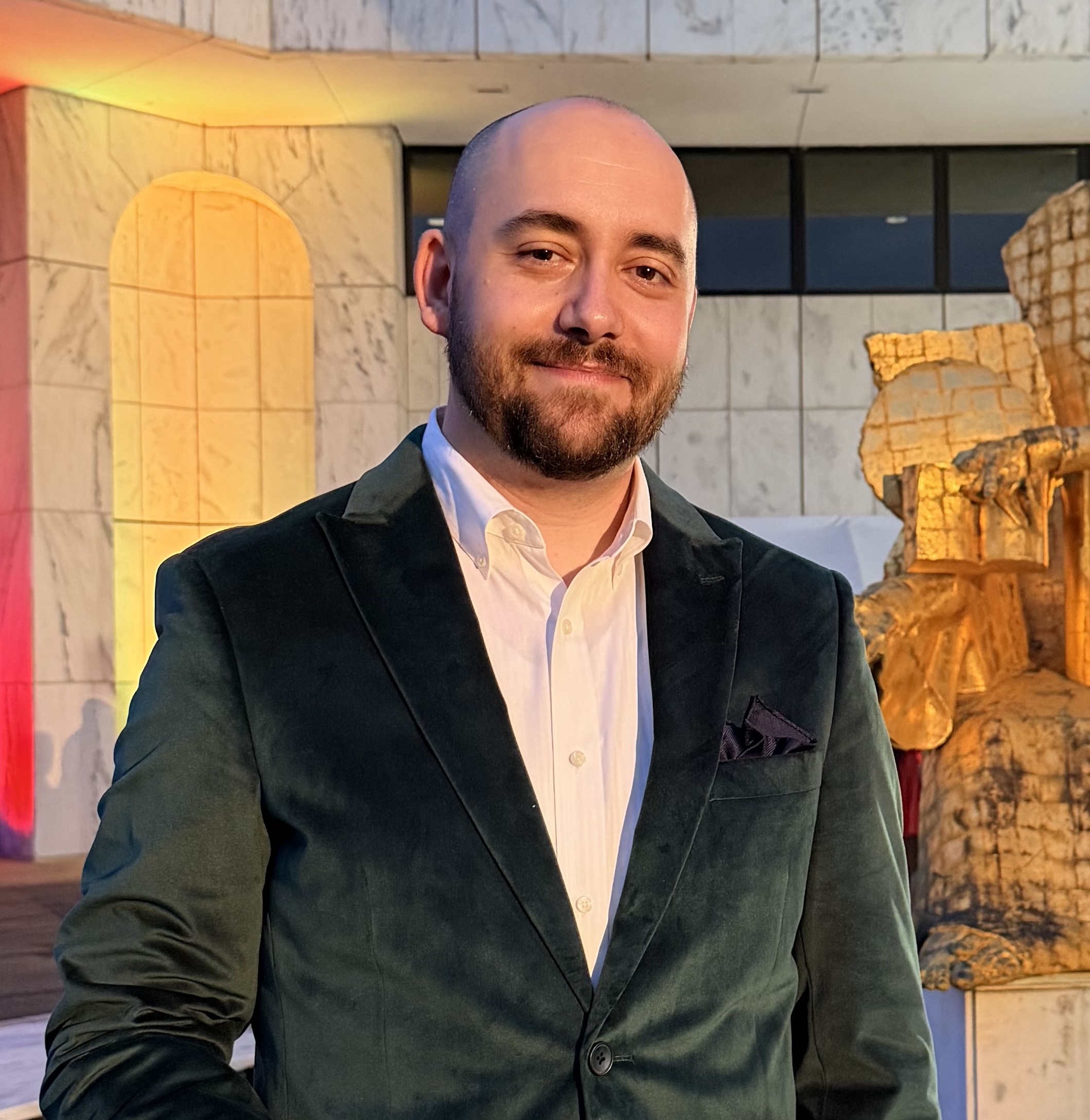
A few recent people, places, and moments.